Exit
You can leave.
Not sovereign
Sovereign
 Contee
Pillar · The frame: under which conditions
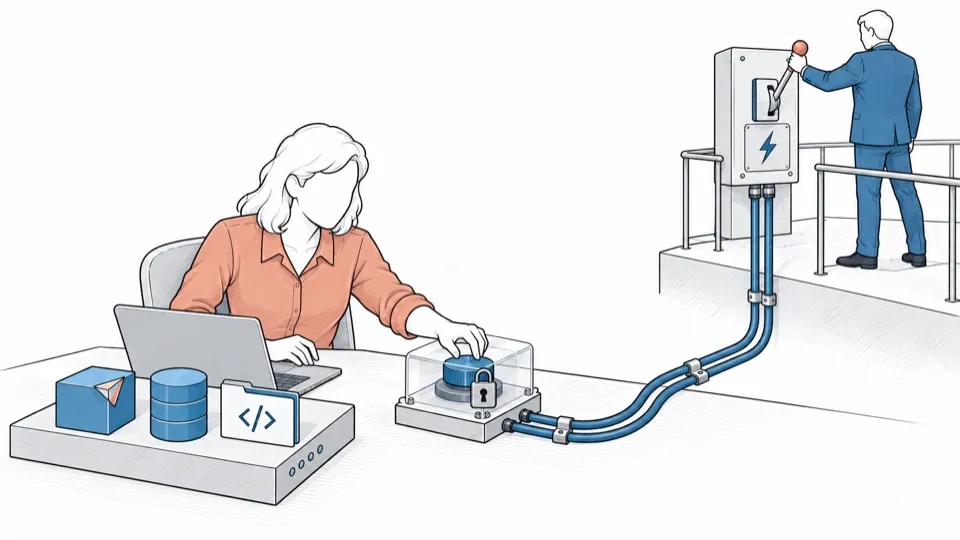
The ability to choose one's ties, and to leave them. The test: can you leave without collapsing?
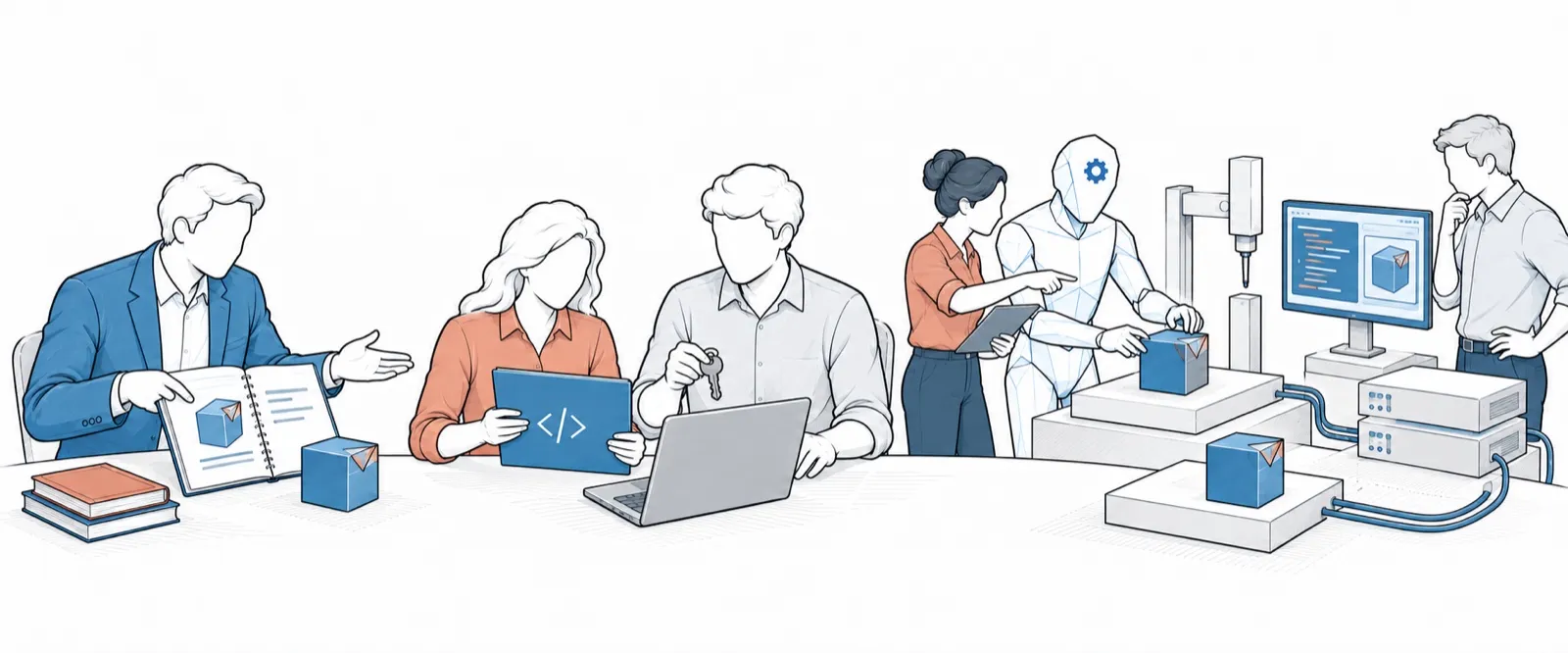
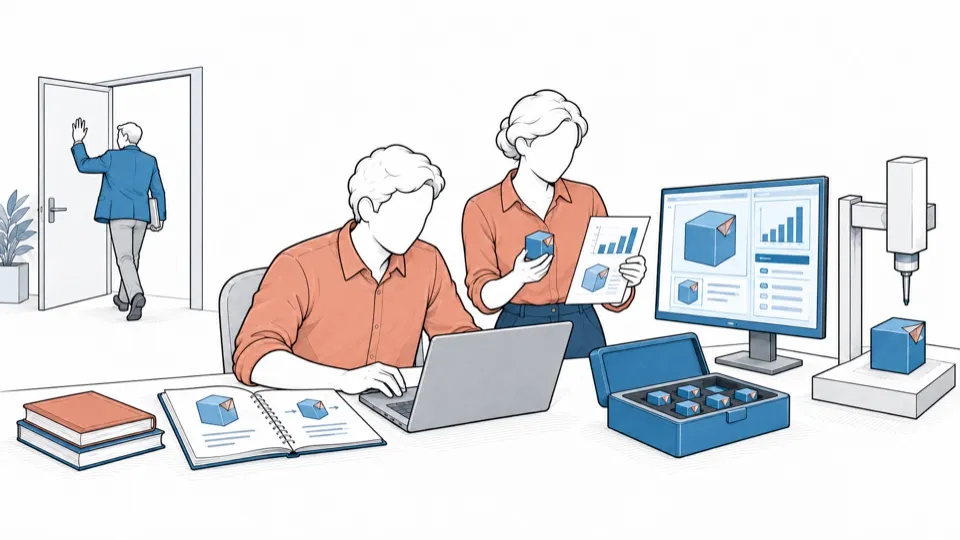
Dependence shrinks through an exit capability that has been exercised. The code, the documentation, the configurations and the skills stay with you: you can leave without rebuilding everything.
Contee makes you able to leave, including Contee itself, and leaves you the choice to stay. The European Union says the same thing with one adjective: an “open” strategic autonomy, calling for more cooperation.
Software production, data, the application estate, security, hosting — and the brand: deploying, integrating and selling one's products under one's own identity. Each is a domain of control to demonstrate.
Every meaning of the word has its trap. Hosting in France can fall under a foreign jurisdiction over the supplier. French ownership can change hands. Rebuilding the code takes more than reading it. Autonomy is demonstrated in practice, after the training.
Hence the rule: “sovereign” always takes a complement. Sovereign over what, and proven how: by a demonstration.
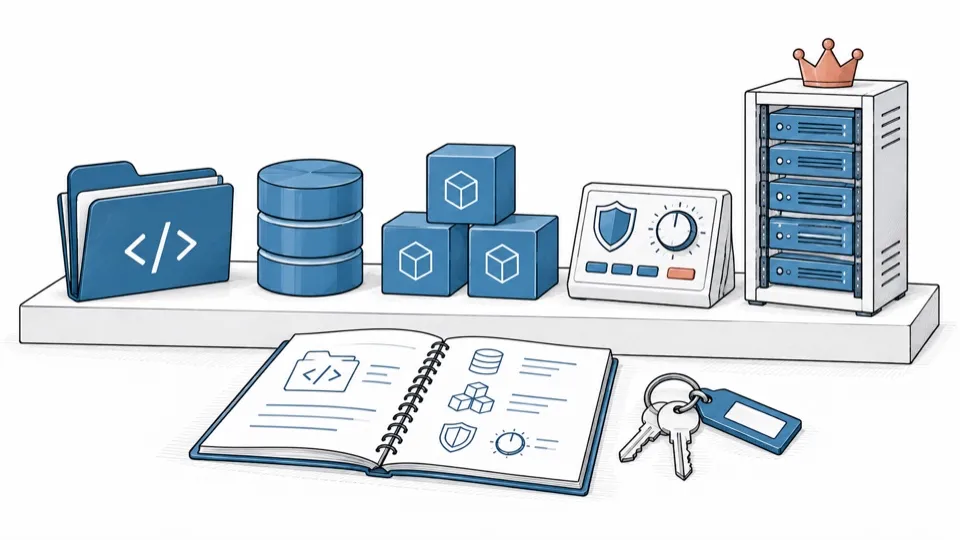
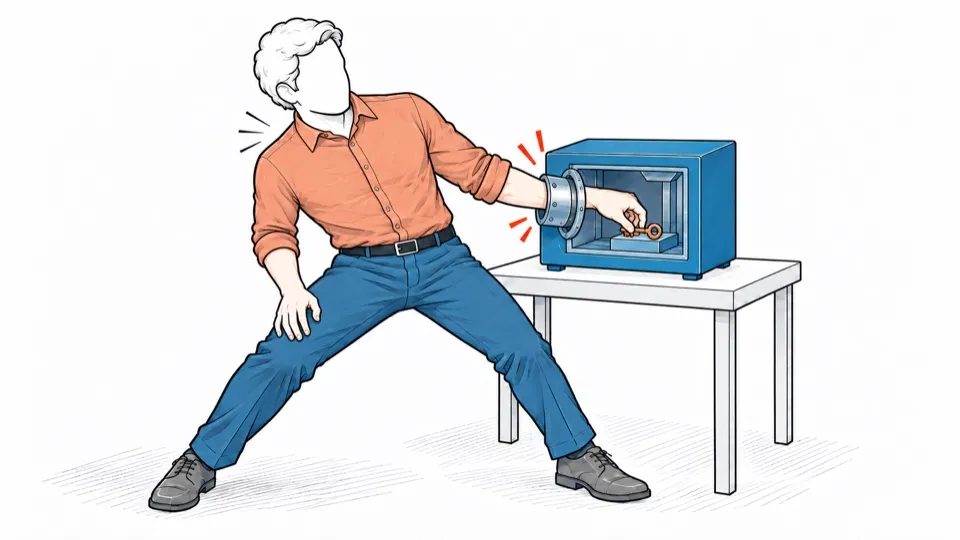
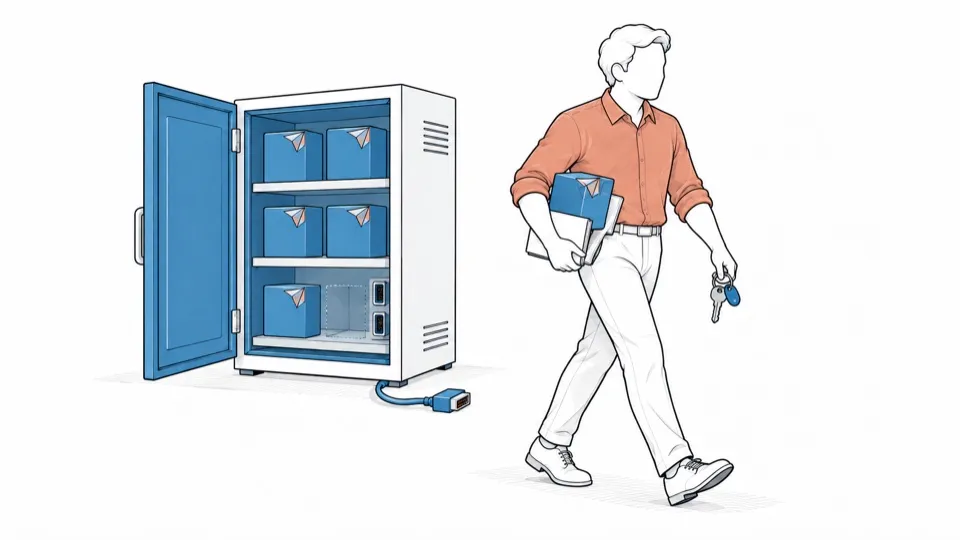
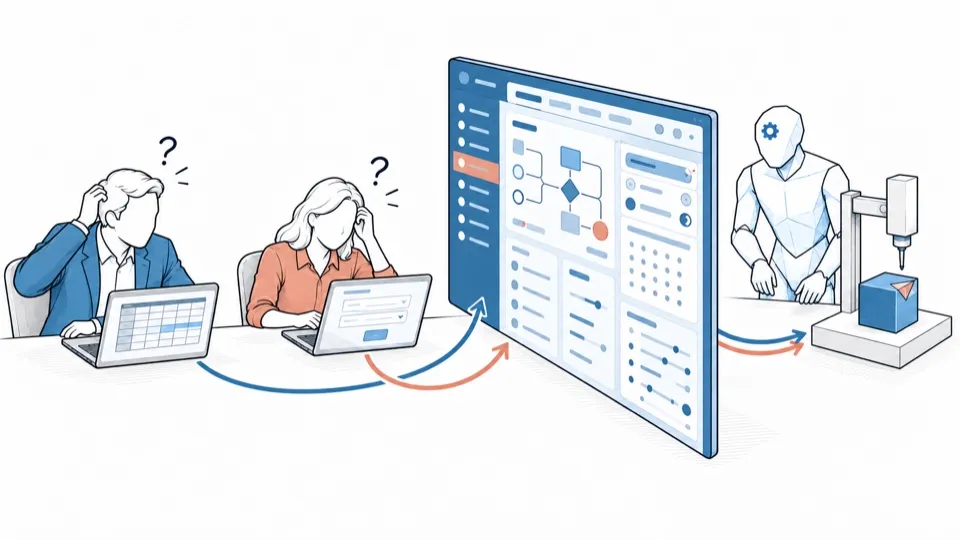
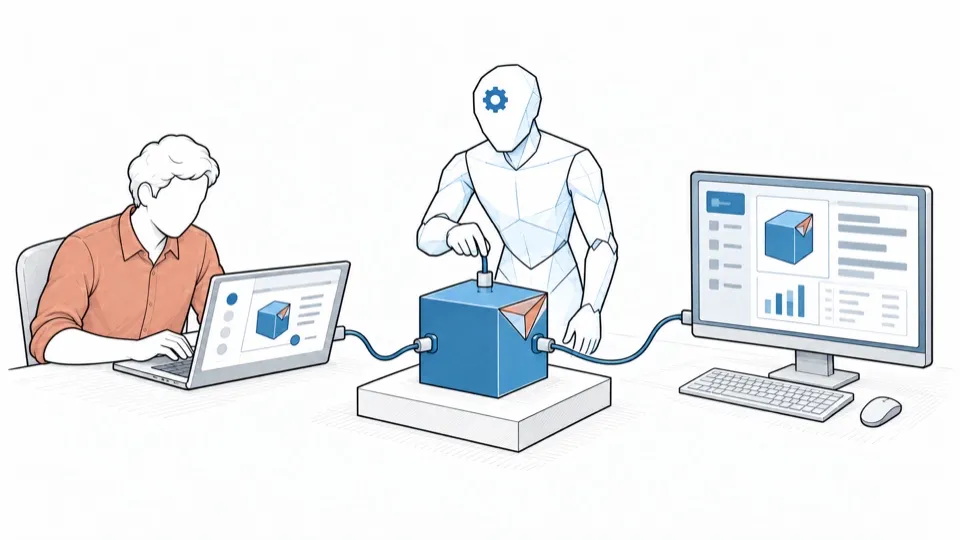
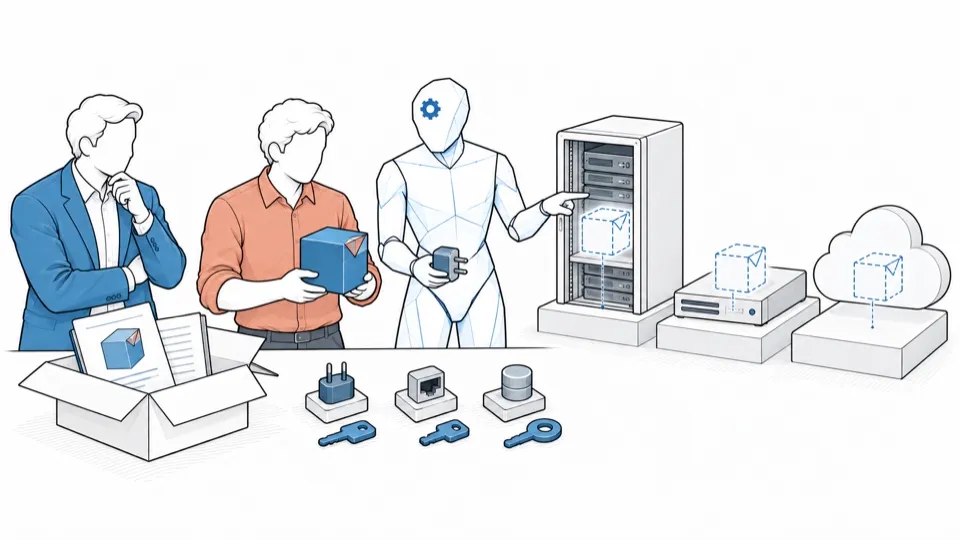
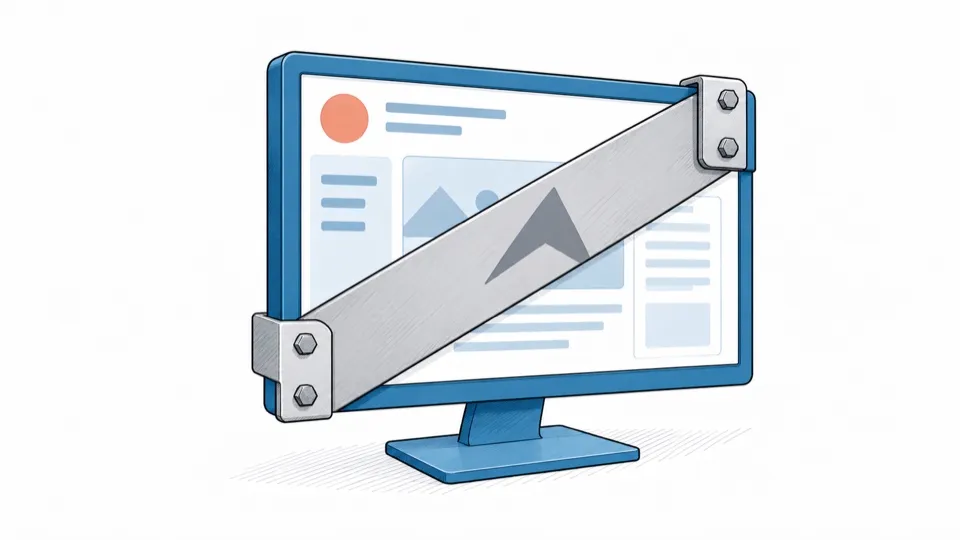
Type by type, the same question in two pictures: on the left dependence, on the right sovereignty — the kind Contee delivers. The scenes show acts; none targets a supplier.
Exit
Not sovereign
Sovereign
Ways of working
Not sovereign
Sovereign
Access channel
Not sovereign
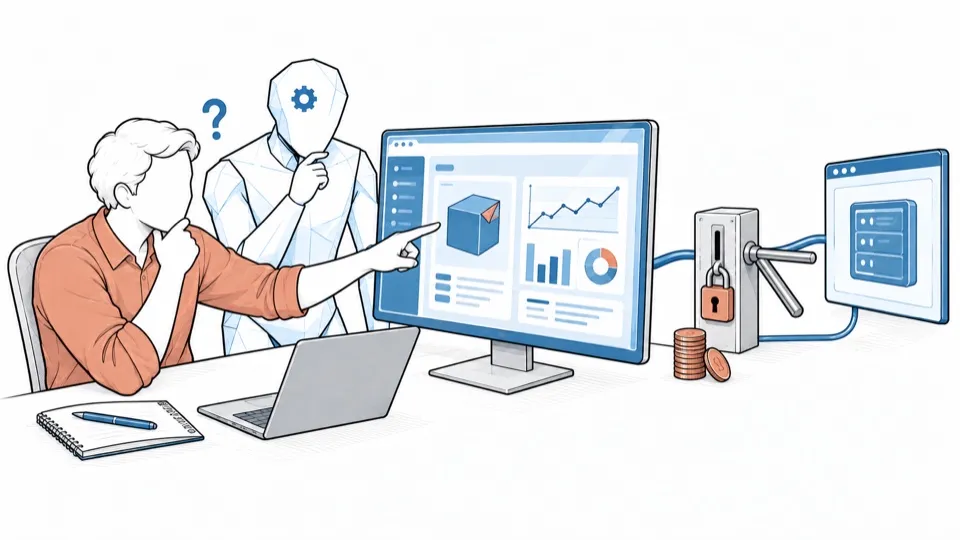
Sovereign
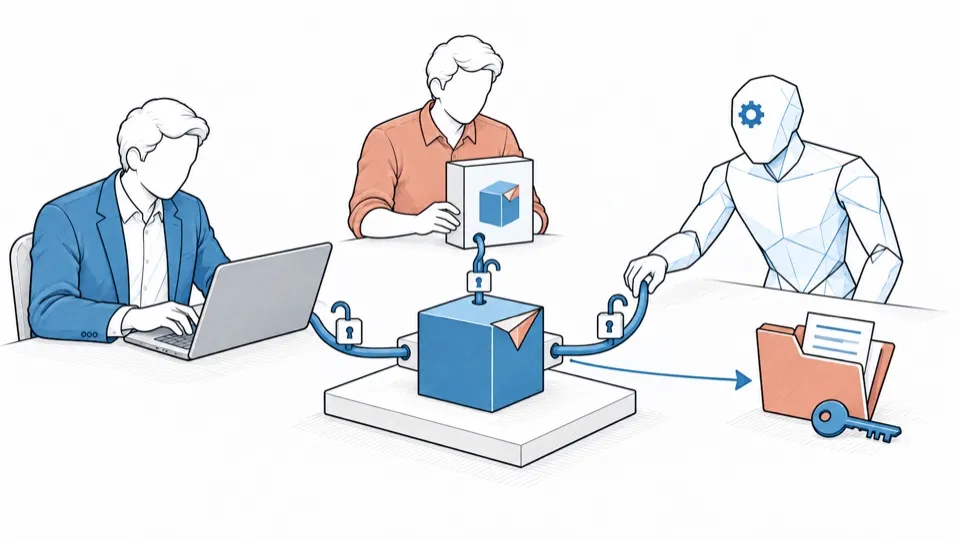
AI
Not sovereign
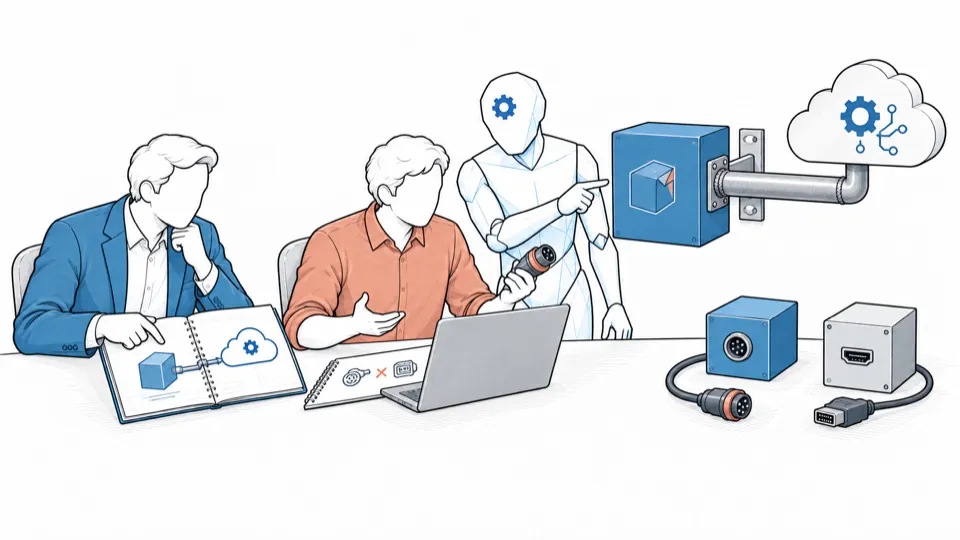
Sovereign
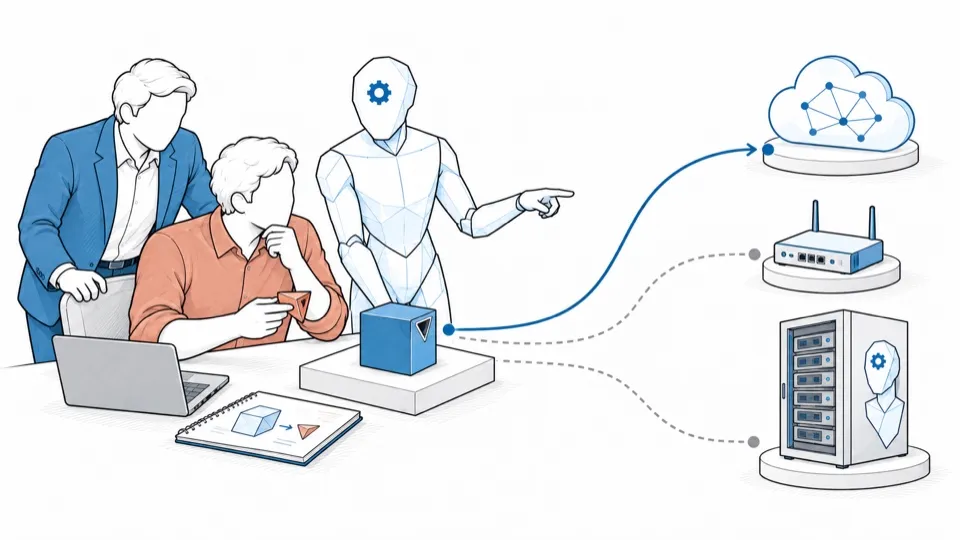
Hosting
Not sovereign
Sovereign
Brand
Not sovereign
Sovereign
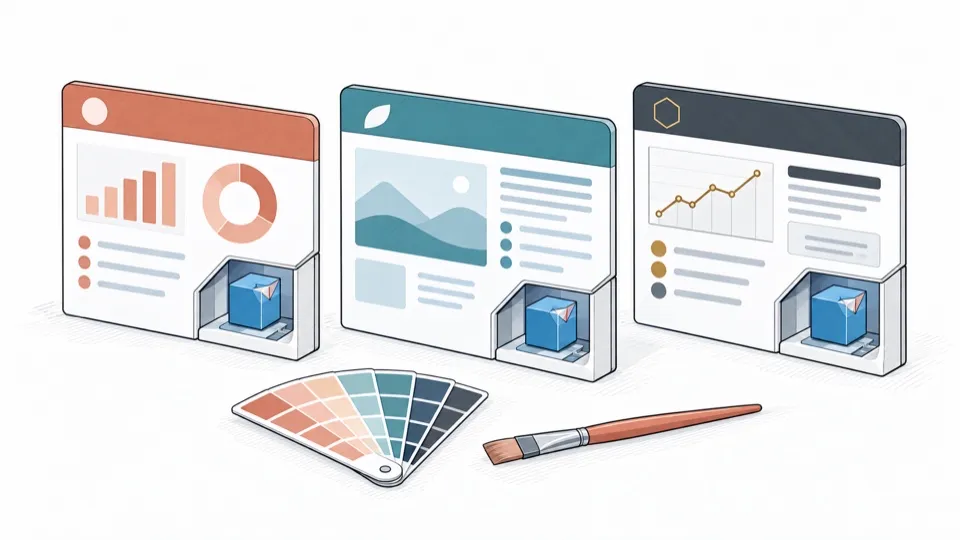
Your software carries on, even when the contract ends: you keep the versions received, choose which ones you integrate, and your teams know how to keep it alive.
Use over time
Not sovereign
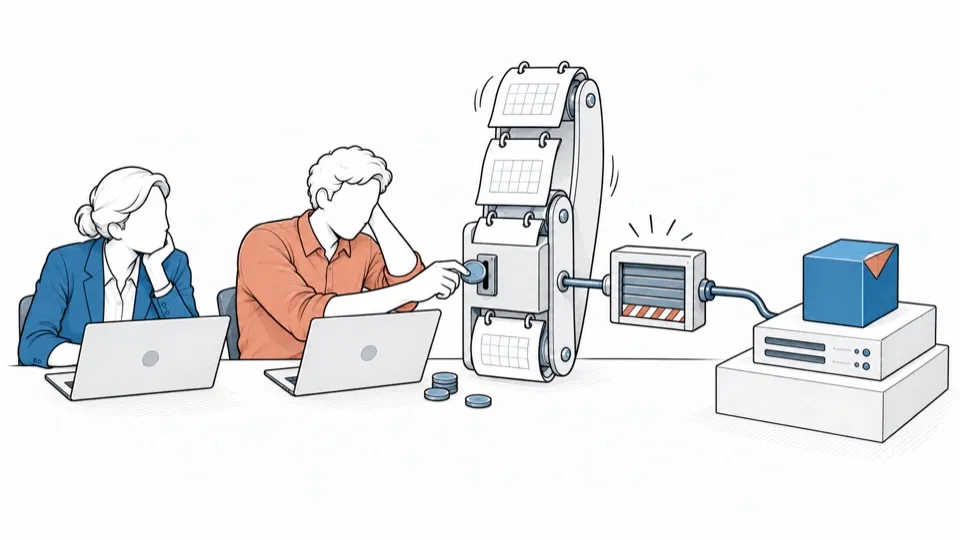
Sovereign
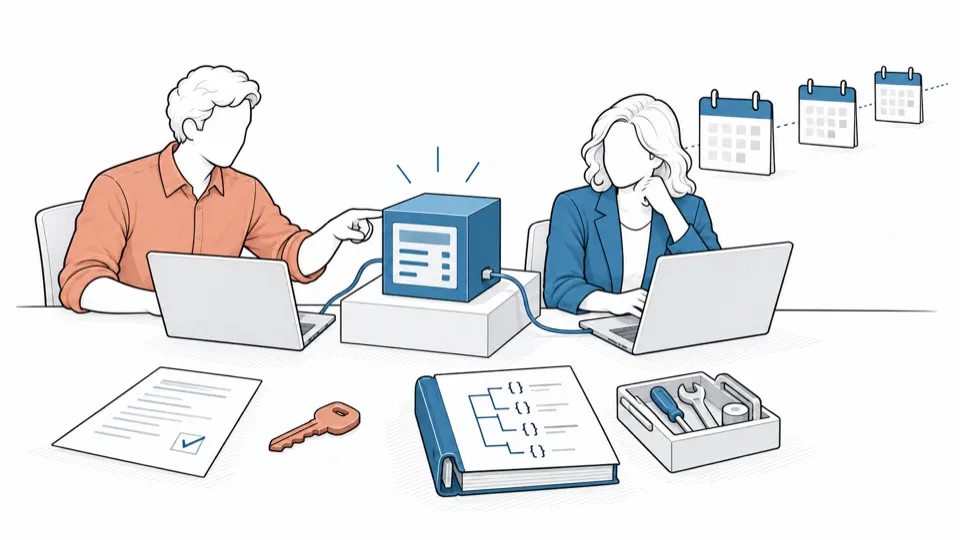
Evolutions
Not sovereign
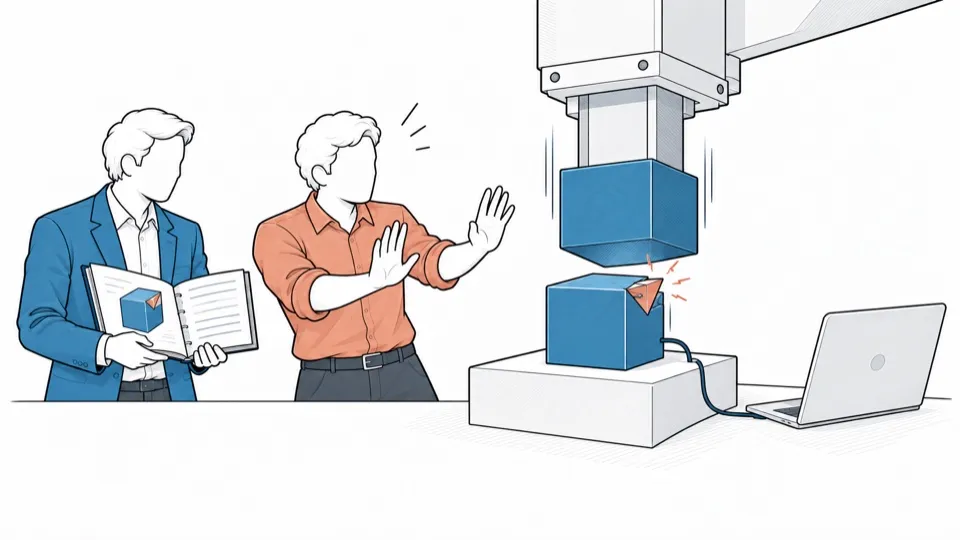
Sovereign
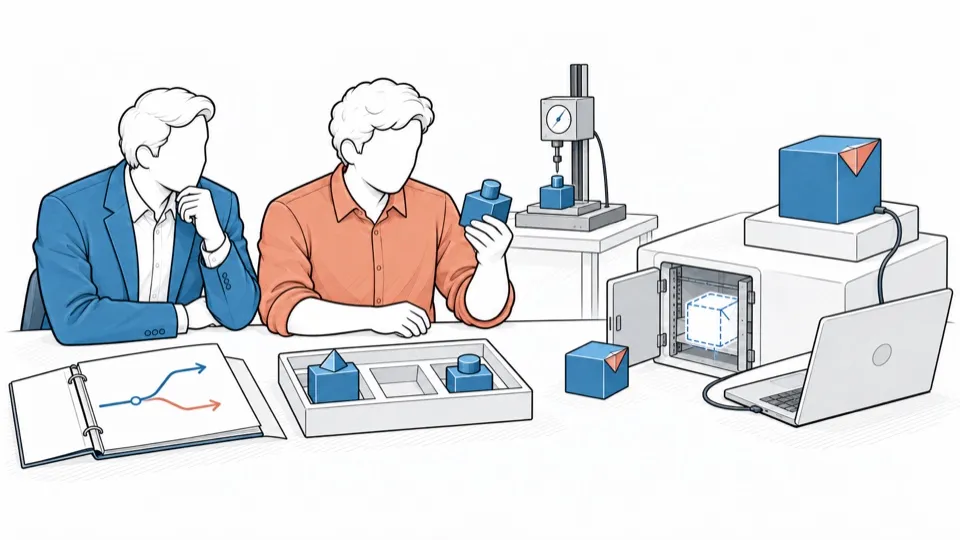
Upkeep
Not sovereign
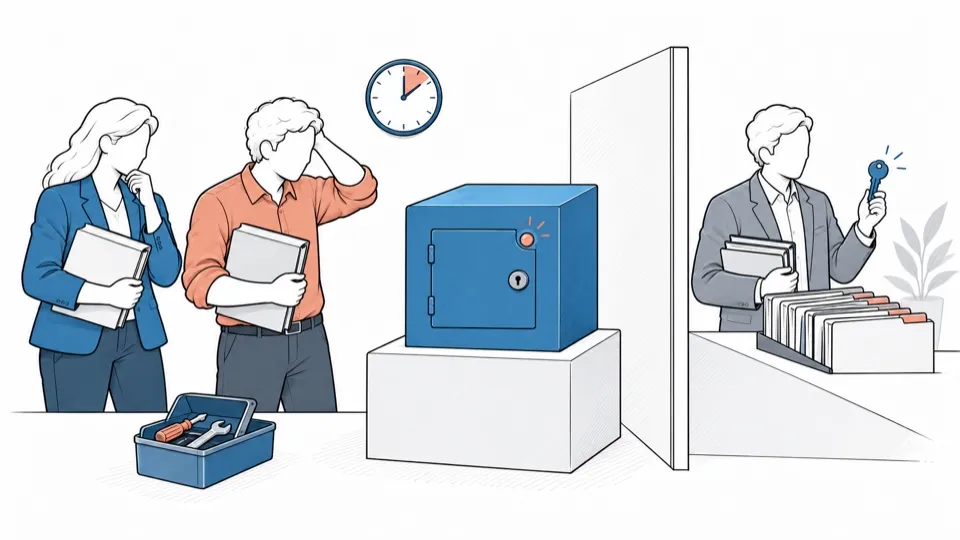
Sovereign
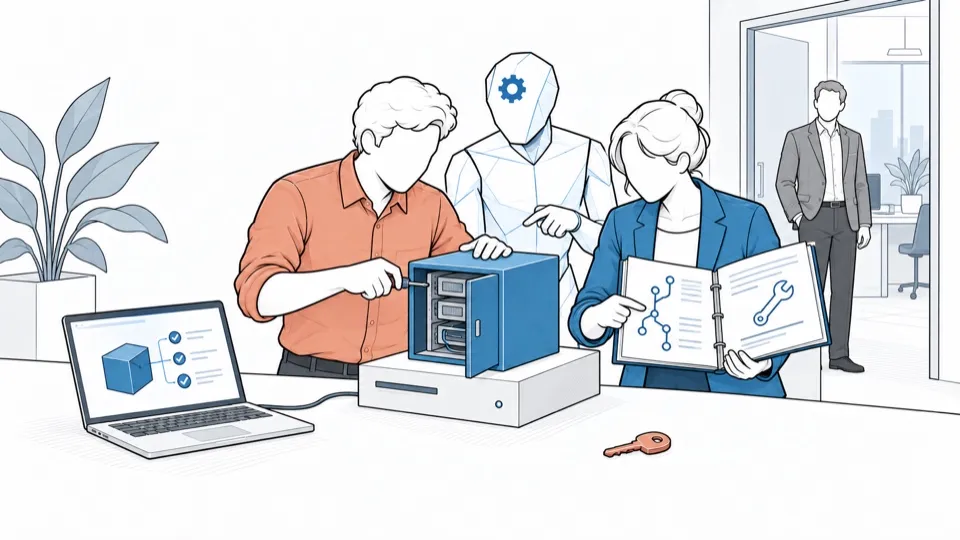
Skills
Not sovereign
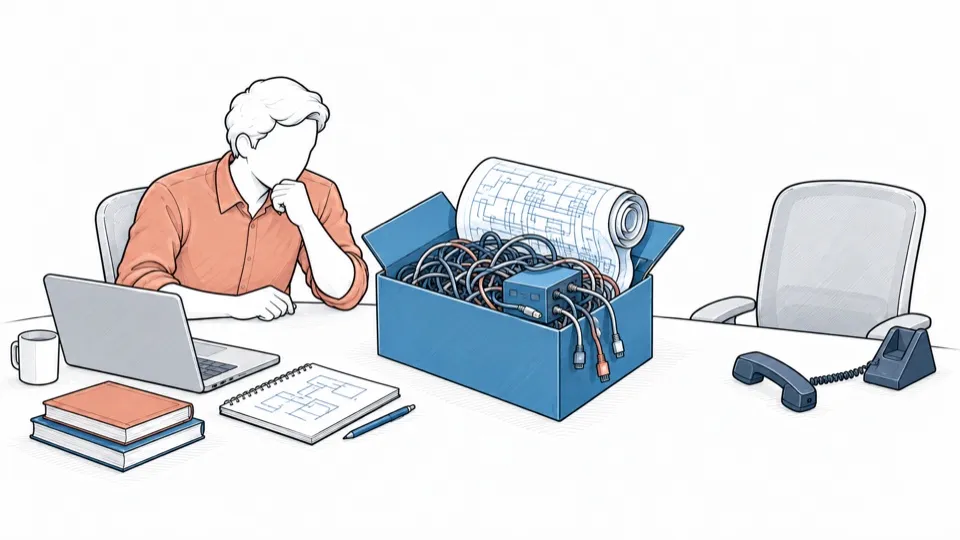
Sovereign
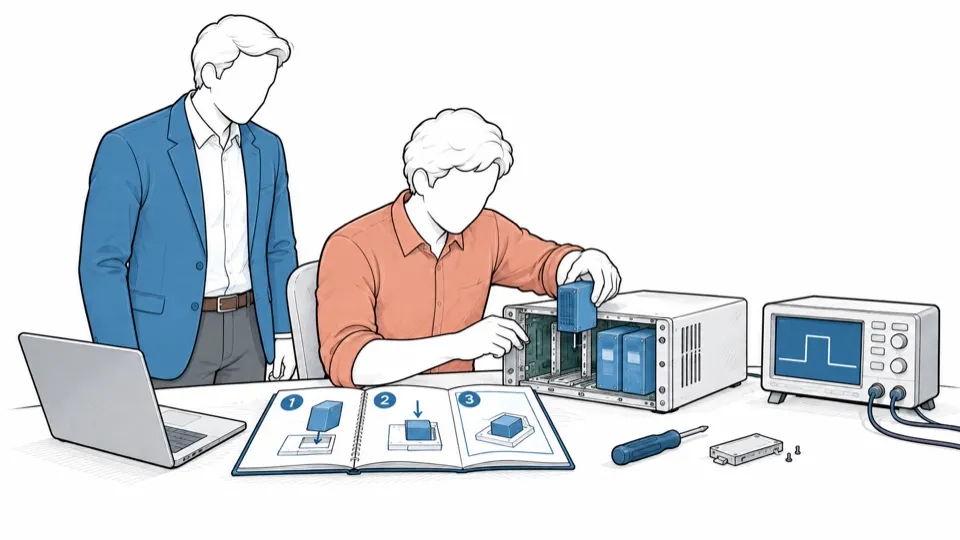
Adoption
Not sovereign
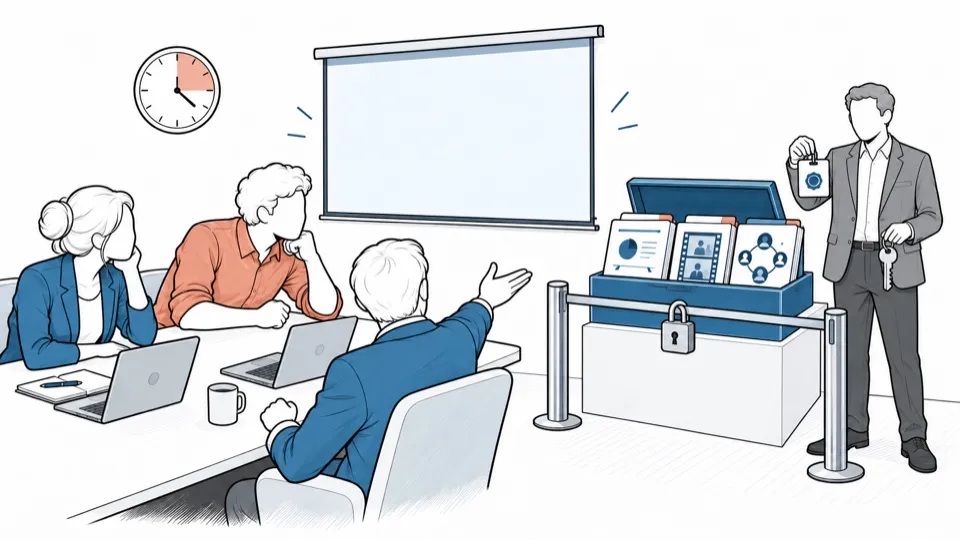
Sovereign
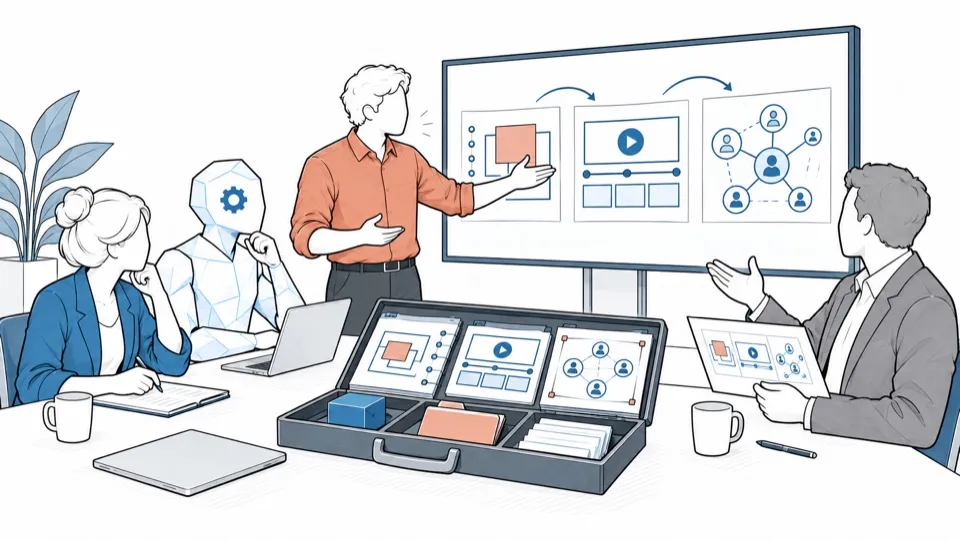
A person keeps their data, their skills and their ability to change tools. A team keeps its budget, its time and its priorities, and works with the others without being absorbed.
An application too: its service contract is its sovereignty charter — what it may call, who may call it, nothing open-bar. A company keeps its code, its infrastructure and its skills; an industry, its standards; a nation, its jurisdiction and its frameworks.
Deciding at the lowest capable level, and staying reversible: subsidiarity, applied to software.
Every freedom announced has its limit; here they are.
Software you want to be able to leave, or a dependency you want to measure? Let's talk.