 Contee
Values
Prove it. Pass it on. Keep learning.
What is claimed must be verifiable. What is built must be possible to take over and pass on. And what use teaches must be able to change the next decision.
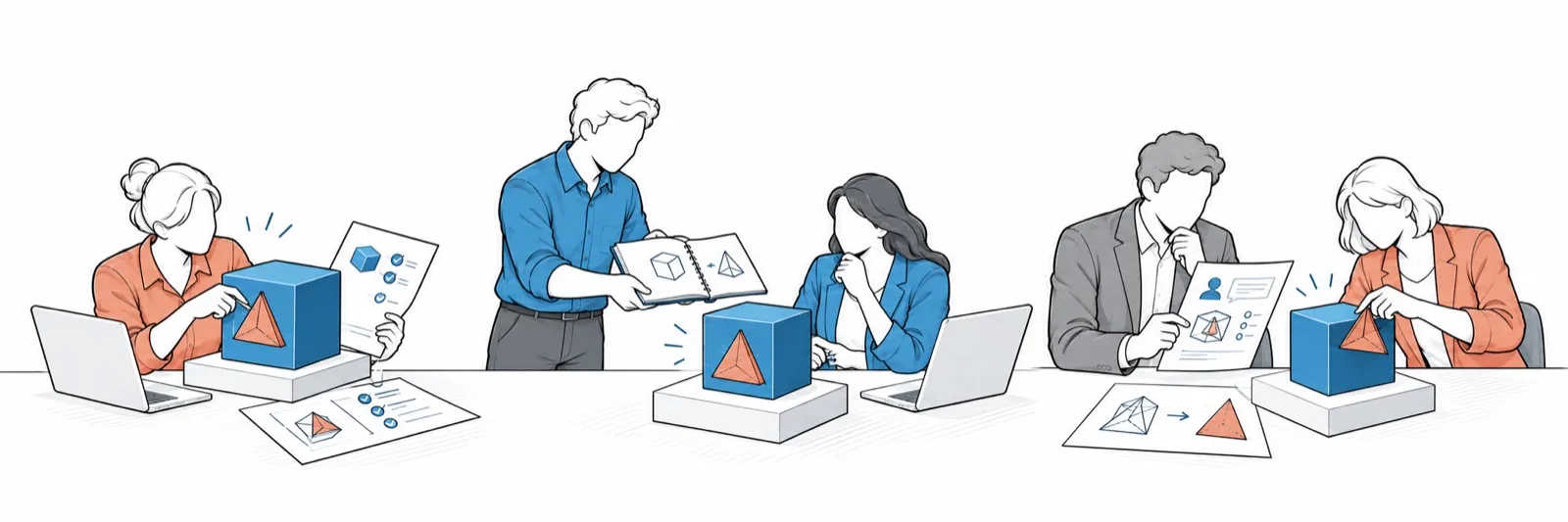
Three values, three relationships
To reality, to others, to oneself. Each value is described here by observable acts and by what it costs.

Prove it.
Proof before promise
Showing, tooling the verification, and stating plainly what cannot be proven, about Contee too. You check for yourself.
In practice
- Every control has its automated check; every commercial claim has its artefact.
- Contee runs on its own products: the website, the forge, continuous integration, the working tools. What is sold is lived first.
- The limits are published; third-party verification is sought where it is relevant.
What it costs
- Giving up superlatives and the title of "leader": the published scope stays honest.
- Selling only what can be proven, even if it means losing the deals that ask for more.
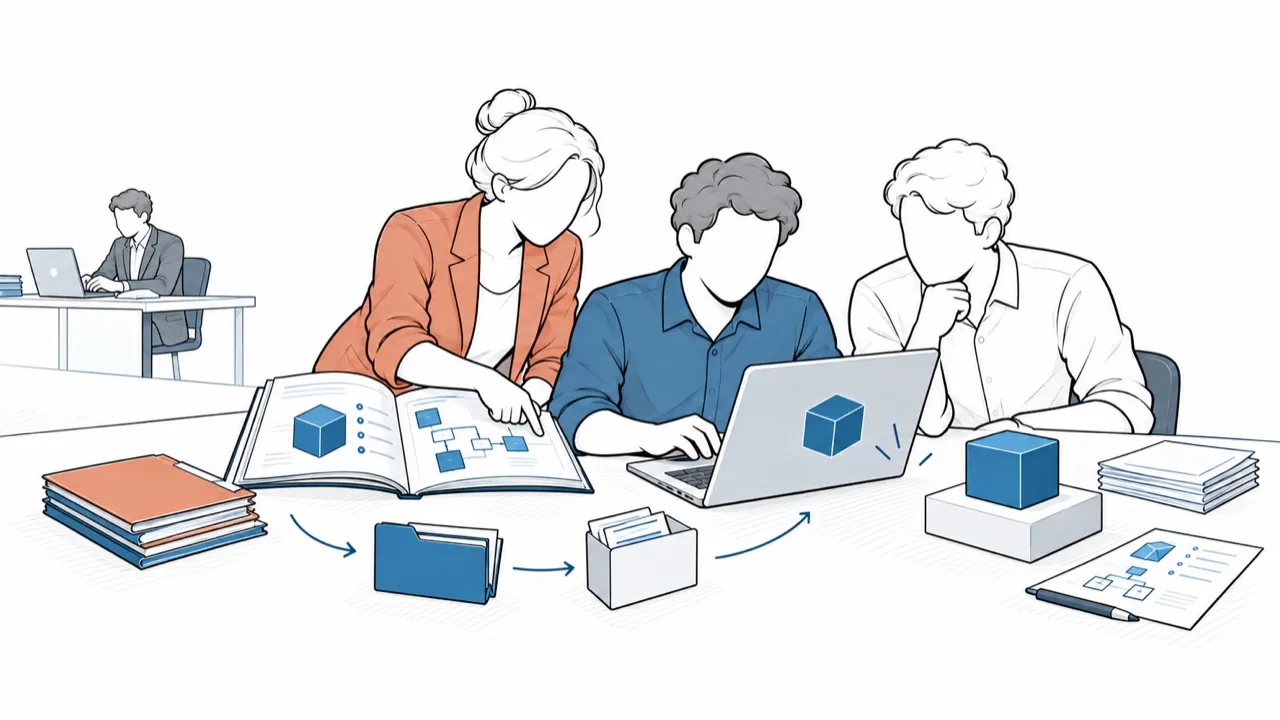
Pass it on.
Autonomy, passed on
Waking up everyone's power to create, without ever creating dependency. It is passed on to people, to AI and to systems: one scales by making those who carry on autonomous.
In practice
- The code, the agreed rights, the sources and the training are delivered, with what it takes to judge and challenge the products: you choose who carries what comes next.
- Portability is tested; every incident understood becomes a control passed on to future developments.
- Passing on at scale has been done before: OpenSeriousGame, the movement the founder started in 2018, has reached more than 100,000 people and lives on without him.
What it costs
- Being chosen for every next step: the client keeps the means to leave.
- Documenting, framing and automating costs more, at the time, than operating it oneself.
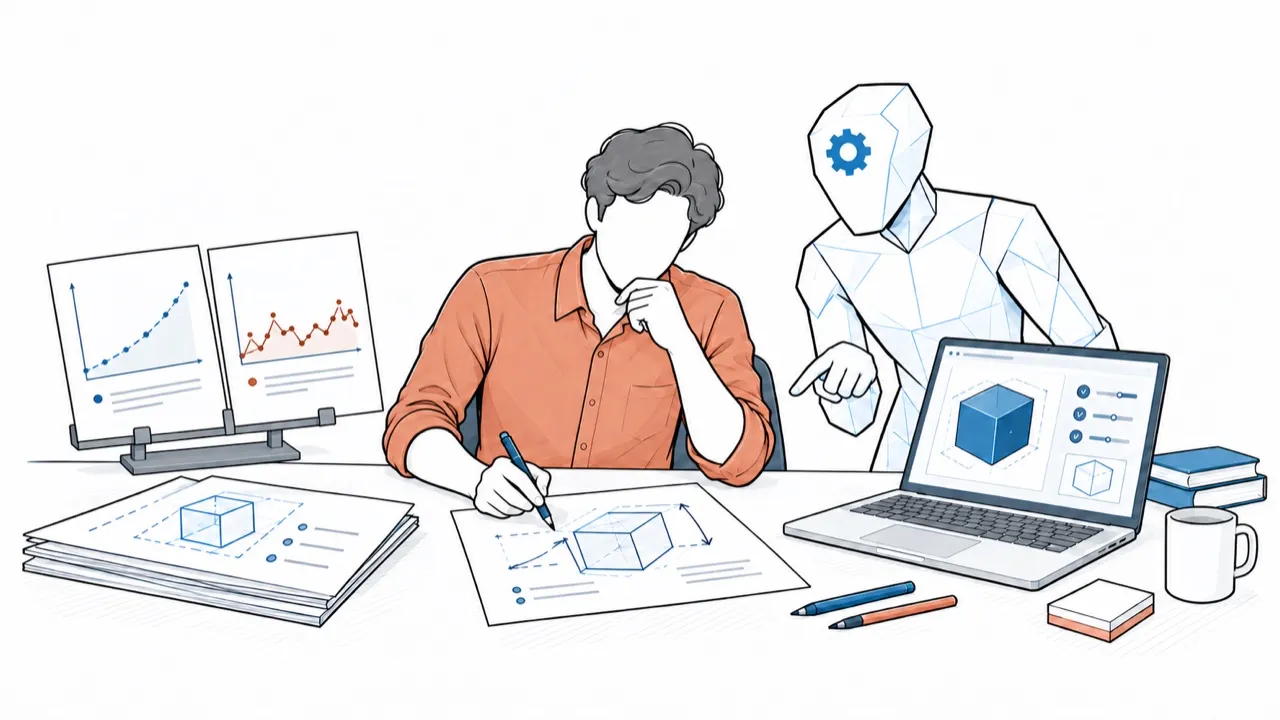
Keep learning.
The discipline of learning
Learning with a non-negotiable discipline, including what will only be useful in five years, and correcting one's own hypothesis when the result contradicts it. Staying a learner.
In practice
- Every incident and every project leads to a written retrospective: hundreds so far.
- The training followed is public and verifiable.
- Learning time is planned outside delivery cycles, even when delivery is pressing.
What it costs
- Time and effort paid upfront, for a distant benefit.
- The permanent discomfort of the learner.
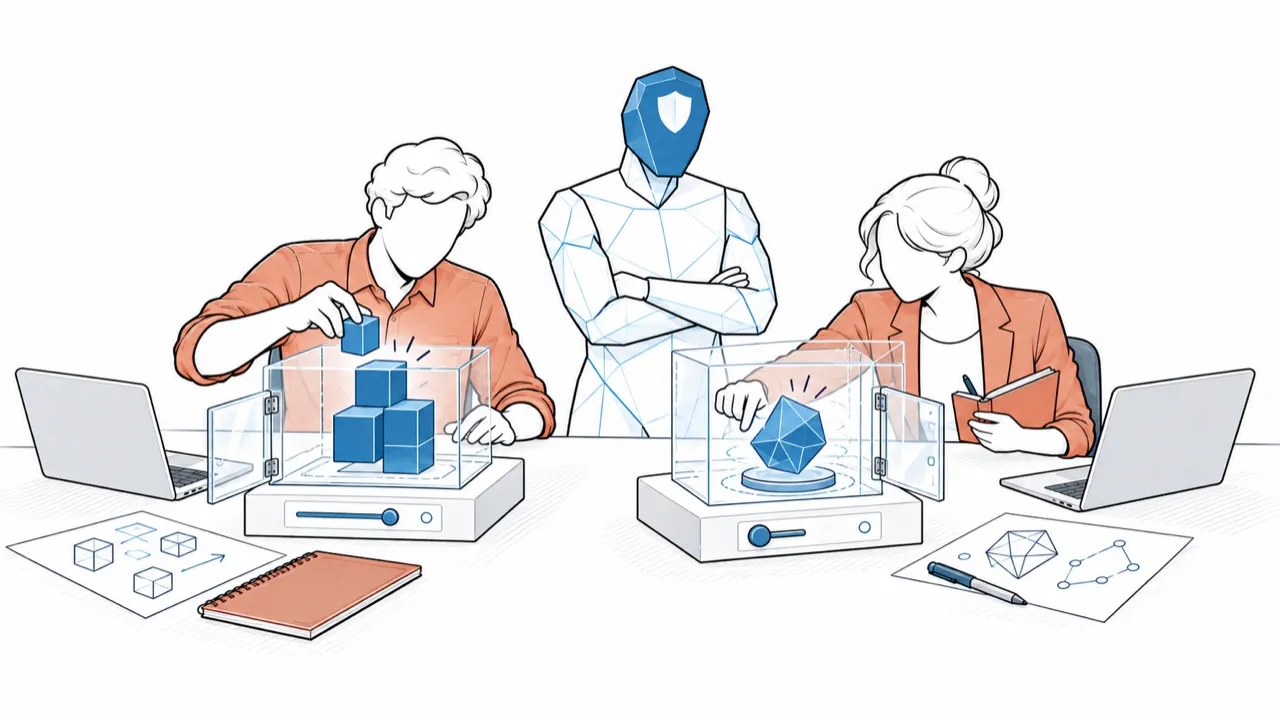
Defend to set free
An implementation principle: security is the condition of the freedom to create. Freedom without guarantees remains a deferred risk.
Protecting data and teams to make them freer: Contee holds innovation and security together, on purpose, and carries the tension between them.
To each their form
A stance: Contee describes its choices and the constraints they answer. Other choices answer other constraints, and everyone makes their own comparisons, in full sovereignty.
Contee aims to succeed through the quality of what it does. It anticipates a path and answers it with proof: to each their form and their choices.
The three together
Each one, alone, leaves a known gap. Proof without passing on stays with whoever did the work: good work that does not grow. Passing on without proof teaches what has not been tested. Learning alone piles up knowledge without delivering anything.
Together, they feed each other: proof gives the material to pass on, passing on frees time to learn, learning renews what there is to prove. The loop aimed for: build, prove, pass on, let others act, learn and create what comes next — then cooperate again, if it serves everyone's goals.
Cooperation, sovereignty, automation
Contee is a software publisher built for the generative AI era, dedicated to cooperation, sovereignty and automation. Three pillars on the same level, distinct from the values: the purpose, the frame, the engine.
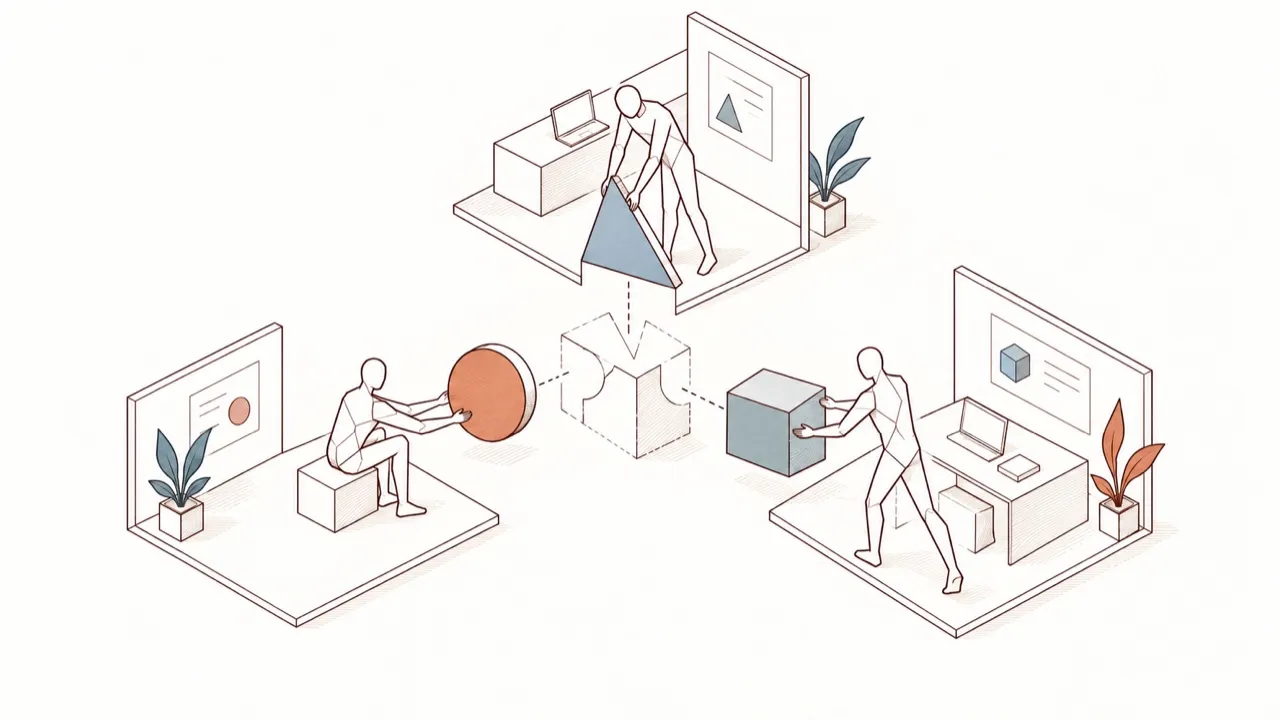
Cooperation
The purpose: what for
Working together while remaining sovereign parties: each keeps its goals, its interests and its ability to negotiate. It is the form that fits when goals differ. Teams, business units, IT, partners, and tomorrow AI agents: working faster, without everyone producing in their own corner.
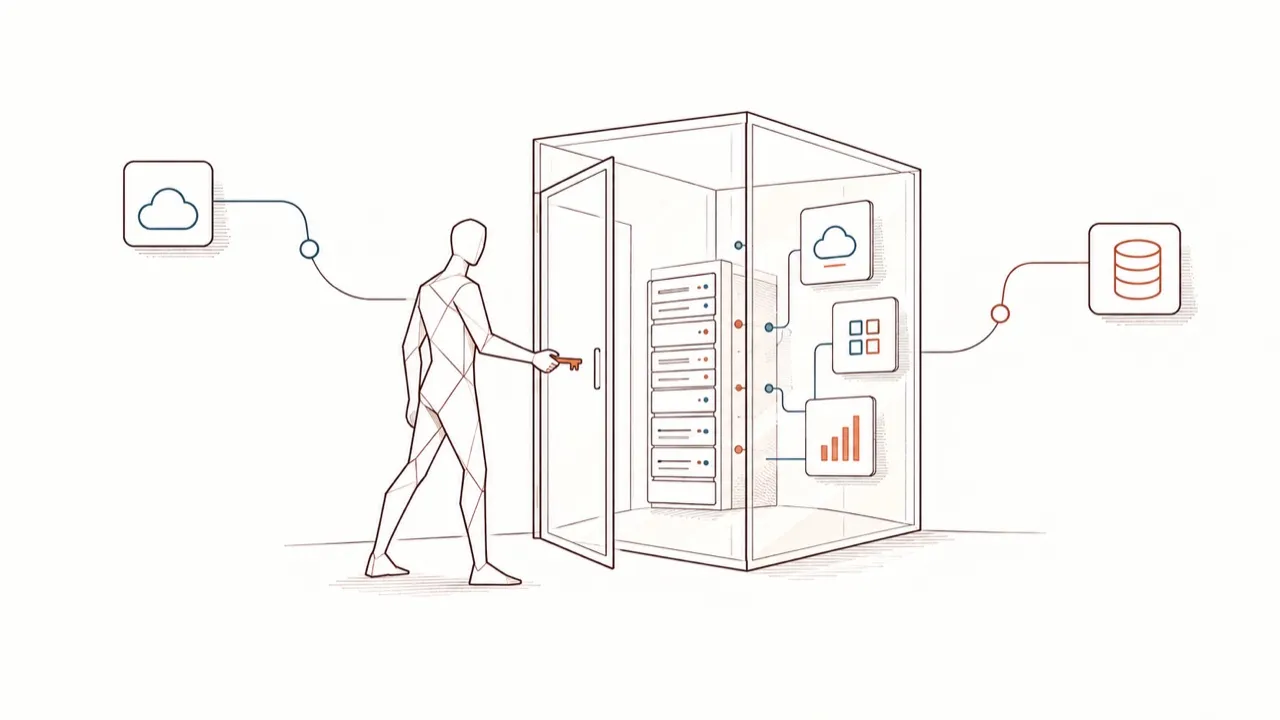
Sovereignty
The frame: under which conditions
Sovereignty is having a door, and the key. Choosing your ties and being able to leave them, at every scale — a person, a team, an application, a company. It is the condition Contee sets for cooperation: each party can negotiate, and leave.
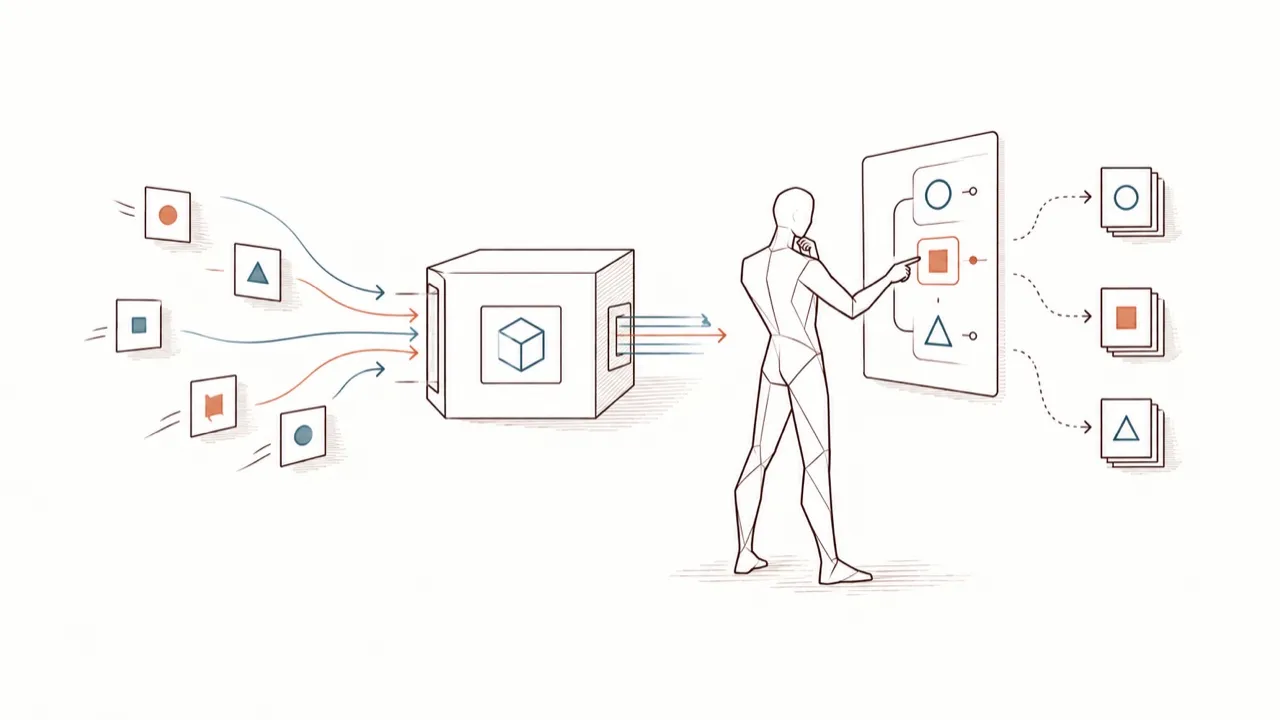
Automation
The engine: what Contee does
Scaling the production of quality software, through the progressive automation of part of the complexity of reasoning. Progressive: each layer is proven before the next. Part: humans decide, AI stays bounded. And delivered with the keys: the automation belongs to you.
Cooperation at the edges, sovereignty at the centre, automation from end to end.
A sovereign software factory
The three pillars meet in the Contee Pipeline: Works to choose the right problems, Walls to build robustly, Crown to deploy on your premises, Change to drive adoption. Its two ends are cooperation engineering, its centre sovereignty engineering; automation runs through it from end to end.
The sovereignty aimed for is that of your capability. A supplier, even a European one, can be bought; a client who holds the code, the skills, the infrastructure and its means of production loses nothing when its supplier changes hands — including when that supplier is Contee.
The software factory is yours, and it becomes your change factory. You choose who carries the change; Contee passes on the means to do it.
The limits, named
Contee's limits, published so that you can judge on the evidence.
- What exists and what is being built: Walls is available, Crown is open as a pilot; Works and Change are in preparation.
- No client reference yet: the first instance of all this is Contee itself.
- What is not for sale: invulnerability (every defence can be bypassed given time), "guaranteed" compliance (compliance is a state of the organisation, which the products help reach), an AI that makes no mistakes (every AI errs: the human keeps the decision).
- What is not aimed for: replacing the existing information system. The target is mid-sized problems, between the individual workstation and the large application.
These values can be checked against the evidence: ask to see it.